
A crate protects equipment from impact. It does not protect it from moisture. For ocean freight, moisture is the more common cause of damage.
Why moisture is the problem
A container at sea goes through repeated temperature swings. Warm, humid air cools, and the moisture condenses on the coldest surfaces inside, including the cargo. Add salt air and weeks in transit, and bare metal surfaces can rust before the equipment is ever unpacked.
Machined surfaces, precision equipment and electronics are the most exposed.
How vapor barrier packaging works
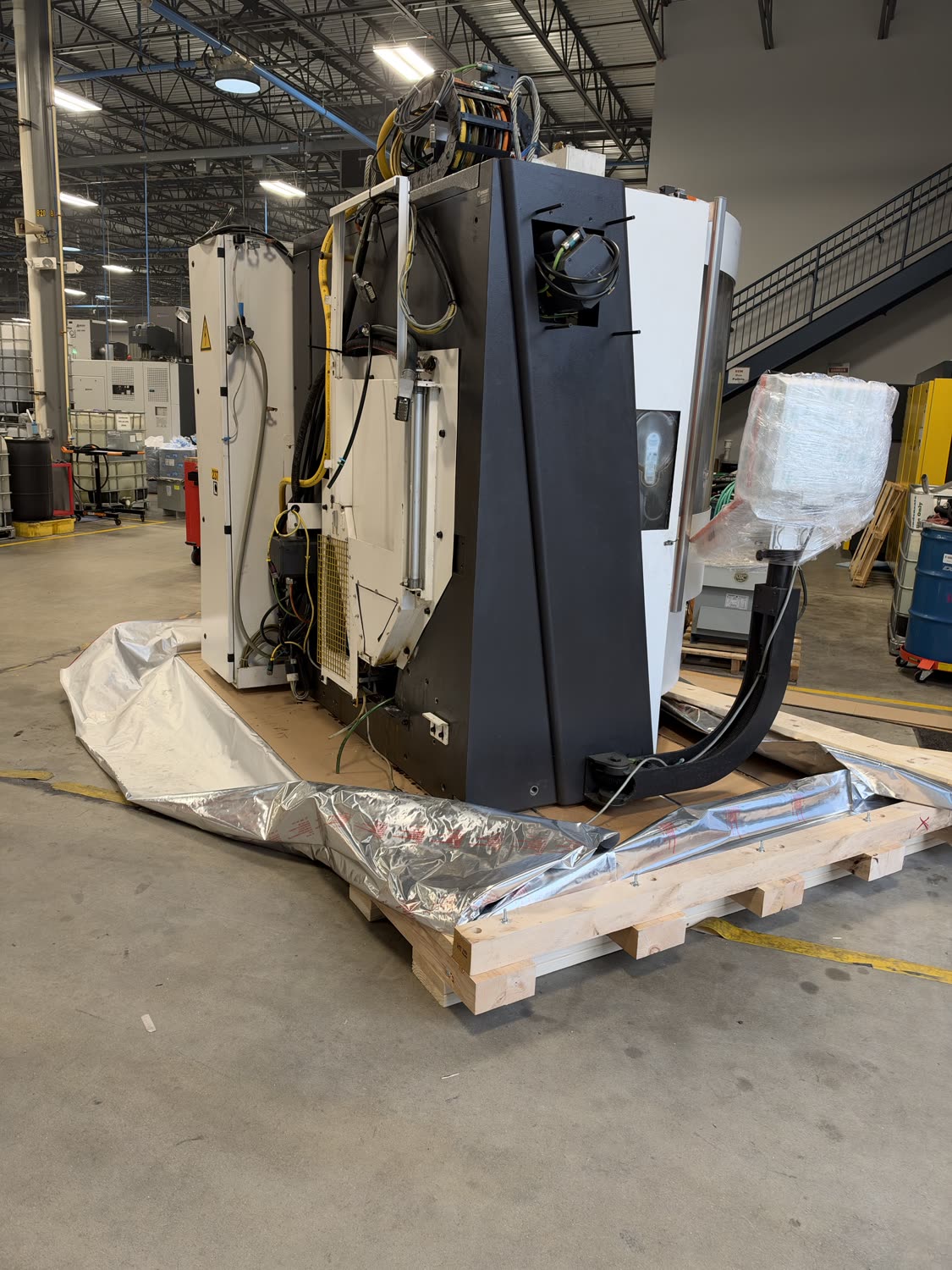
- A barrier bag is laid on the skid base before the equipment is set on it.
- Desiccant is placed inside to absorb the moisture left in the bag.
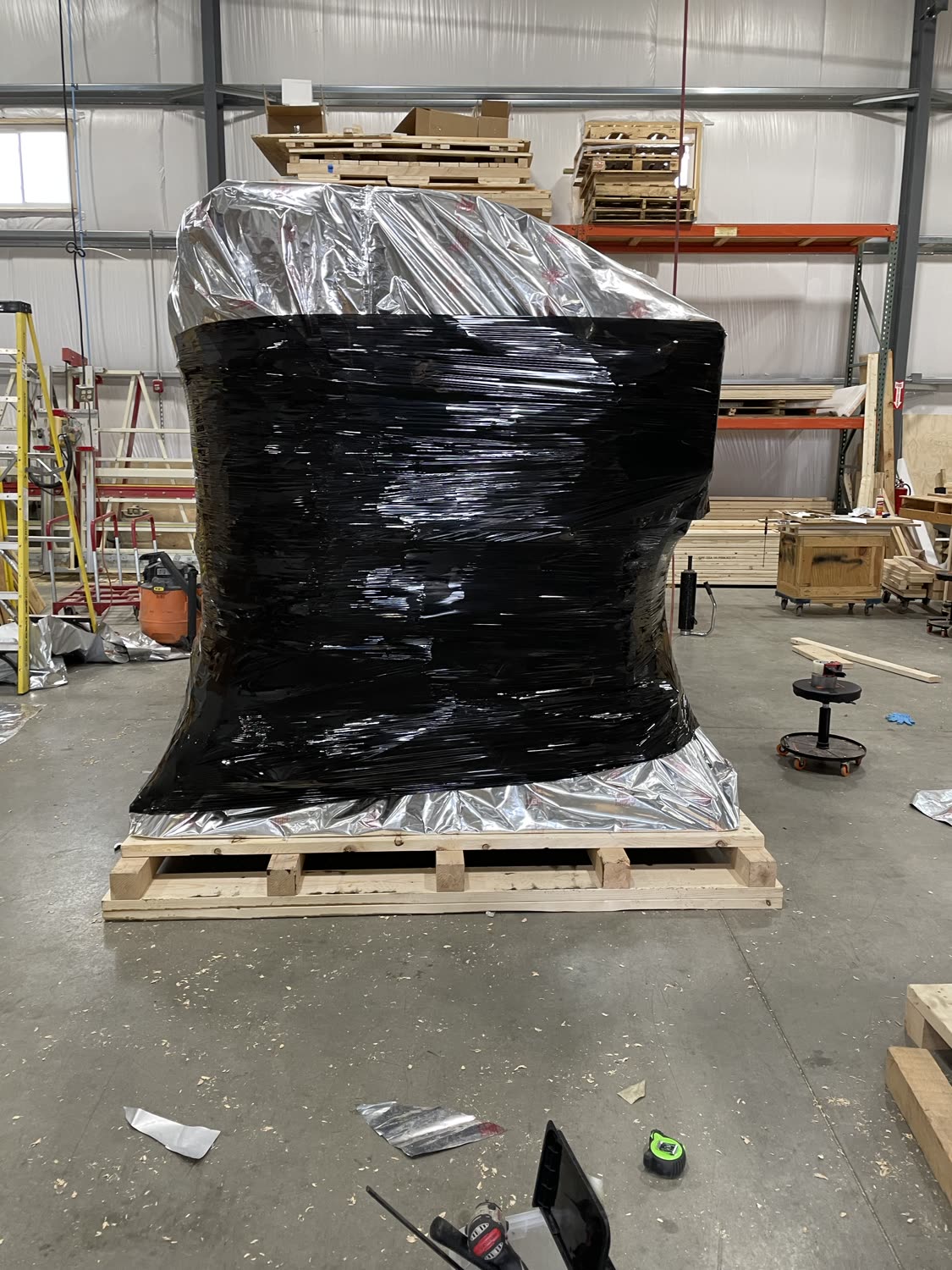
- The bag is pulled up around the equipment and heat sealed.
- The crate is built around the sealed equipment.
The barrier material keeps outside humidity from reaching the equipment. The desiccant handles what was sealed in.
When to use it
- Ocean-bound shipments.
- Equipment with exposed machined or unpainted metal surfaces.
- Electronics and control cabinets.
- Equipment going into storage before installation.
What to tell your crating company
- How the shipment is travelling and how long it will be in transit or storage.
- Which surfaces are sensitive to corrosion.
- Whether the equipment includes electronics that also need anti-static protection.
Sure Express Worldwide packages ocean-bound shipments with heat seal vapor bags and desiccant, and offers anti-static wraps, cushioning and barriers for electronics.
Request a quote